
Buyer's Guide · Updated June 2026 · 8 min read
Buy a Red Light Panel With Stand…
Without Settling for an Underpowered, Incomplete Setup
A premium, full-spectrum red light system built for people who want real results… not cheap panels that cut corners.
Most Red Light Panels Look Similar… Until You Actually Use Them
Here's what most people don't realize until after they buy:
- Limited wavelengths → incomplete results
- Weak output → wasted time
- No stand (or basic stand) → frustrating setup
- Short lifespan → replace it in a year or two
That's why serious users skip the cheap options…
And invest in a system that actually delivers.
This Is a Complete, High-Performance Red Light System… Not a Basic Panel
- 7 wavelengths for full-spectrum coverageThese are the same wavelengths used in clinical and performance settings… not entry-level consumer devices.
- Heavy-duty electric stand (vertical + horizontal + angled use)
- High output design for real, usable intensity
- 100,000-hour LED lifespan (built for years of daily use)
- Free personalized usage plan so you're not guessing
Cheap Panels vs. This System
This Isn't a Small Upgrade… It's a Completely Different Level of System
Most people compare panels by specs.
That's how they end up with the wrong one.
Most panels cut corners where it actually matters.
Here's what that looks like side-by-side:
Cheap Panels
- ✕1–2 wavelengths
- ✕Weak, inconsistent output
- ✕No stand or basic mount
- ✕Shorter lifespan
- ✕No guidance on usage
This System
- 7 wavelengths (state-of-the-art therapy)
- 64" panel (full-body coverage)
- Sturdy electric stand (horizontal + vertical) included
- Built for long-term daily use
- Guided usage plan included
That difference is why most people either:
- •Stick with their setup and use it consistently
- •Or stop using it after a few weeks
The system you choose determines which one you become.
Most people don’t quit because red light therapy doesn’t work.
They quit because their setup makes it harder than it should be.
And by the time they realize it…
they’ve already wasted weeks or months using the wrong panel.
Cheap panels don’t fail immediately.
They fail over time.
And most of the time… it’s because they don’t deliver the full spectrum your body needs to actually get results.
This is the point where most people realize…
they’re not just choosing a panel.
They’re choosing whether this becomes part of their routine… or not.
And this is where most setups fall apart.
The Real Reason Most People Don’t Stick With Red Light Therapy
It’s not the technology.
It’s the setup.
If it’s awkward… inconvenient… or takes effort every time…
You won’t use it consistently.
And without consistency…
You don’t get results.
Most panels make this worse.
- Wall mounting
- Holding it in place
- Adjusting it manually every session
So even if the panel is “good”…
It doesn’t get used.
This is where this system is different.
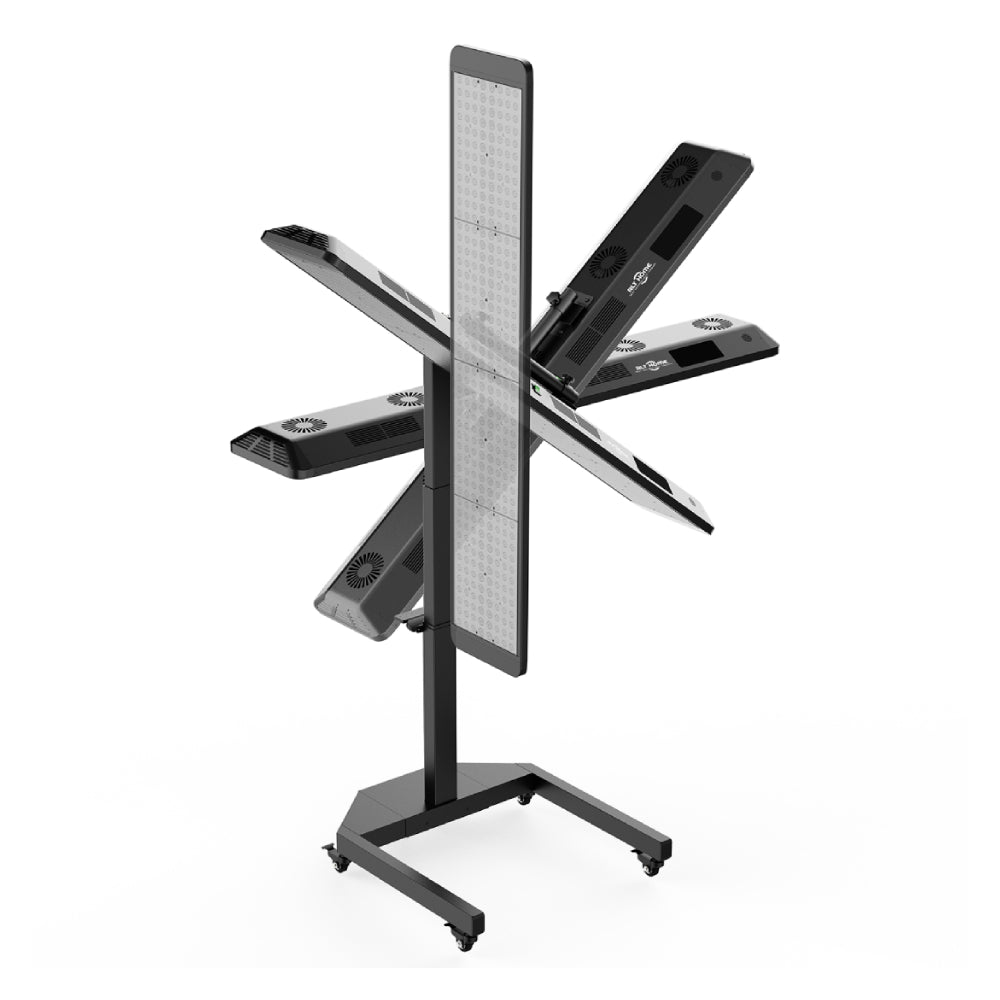
The heavy-duty electric stand changes everything.
- Vertical positioning for full-body sessions
- Horizontal positioning for targeted recovery or lying down use
- Angled positioning for comfortable seated use… no awkward positioning
- Smooth, effortless adjustment… no lifting, no hassle
Whether you're standing… sitting… or lying down…
it adjusts to you… not the other way around.
You don’t have to think about setup.
You just use it.
And that’s what turns red light therapy from something you try…
Into something that actually works.
View Total Spectrum ULTRAWHY THIS WORKS
Red light therapy works by increasing cellular energy (ATP production).
But here's what most people miss:
👉 Different wavelengths affect different layers of tissue.
That's why this system uses 7 wavelengths… not just 1 or 2.
- Surface-level support
- Mid-depth tissue
- Deep muscle and joint penetration
This creates a more complete response across the body.
What that means in real terms:
- Faster recovery and reduced soreness
- Better joint mobility and comfort
- Improved skin tone and resilience
- More consistent performance and energy
Use It for 60 Days… Risk-Free
Try it in your real routine.
If it's not what you expected, send it back.
No pressure. No regret.
- 3-Year Warranty
- Free, fast shipping with insured delivery
- Privacy-first purchase (no data sharing)
- Built for long-term use (100,000-hour lifespan)
This isn't the cheapest option.
And it's not supposed to be.
You're not buying:
- A basic panel
- A short-term solution
- Something you'll replace next year
You're buying:
- A complete system
- Built for daily use
- Designed to last for years
For most people, this becomes the only panel they'll ever need.
Buy It Once… Or Keep Upgrading Cheap Panels Forever
Most panels look similar… until you actually rely on them.
And that's where most people make the wrong choice.
If you're already looking for a red light panel with a stand… this is the complete system most people wish they bought first.
👉 Get the Complete Red Light SystemWhat You'll Experience With a True Full-Spectrum Red Light System
- Why using only 1–2 wavelengths leaves results on the table… and what happens when you use all 7
- The overlooked reason most people quit red light therapy early (and how to avoid it completely)
- How to position your panel for maximum effect… without trial and error
- The difference between “light exposure” and actual therapeutic output
- Why most stands are an afterthought… and how horizontal positioning changes everything
- How to turn 10–15 minutes a day into a consistent recovery routine
- The simple usage pattern that gets better results without increasing session time
- Why stronger output doesn't mean better results… unless it's controlled correctly
- How full-body sessions compare to targeted sessions… and when to use each
- The hidden cost of cheaper panels most people only realize after months of use
- Why lifespan matters more than price when you're using this daily
- How to avoid the biggest mistake people make when buying their first “serious” panel
- What happens when your body finally gets consistent, repeatable light exposure
- Why setup convenience directly impacts how often you actually use it
- The real difference between “owning a panel”… and actually benefiting from one
Most People Don't Buy This First… And End Up Paying More
They start with a cheaper panel…
realize the limitations…
then upgrade later anyway.
This system skips that entire cycle.
👉 Get the Complete Red Light SystemFrequently Asked Questions
Why is this more expensive than other panels?+
Because it's not built like other panels.
Most lower-cost units cut corners on:
- Wavelength range
- Output strength
- Build quality
- Longevity
This system is designed to be complete… not minimal.
For most buyers, it replaces the need to upgrade later.
Do I really need 7 wavelengths?+
If you want full-spectrum coverage, yes.
Different wavelengths affect different layers of the body.
Most panels only target part of the equation.
This system is designed to cover all of it in one setup.
Is the stand actually necessary?+
If you plan to use this consistently… it makes a huge difference.
The electric stand allows:
- Hands-free sessions
- Easy positioning and adjustment
- Horizontal or angled use (which most panels don't offer)
Without it, most people use their panel less often.
What if I don't use it correctly?+
You won't be guessing.
You'll get a free personalized usage plan based on your goals.
So you know exactly how to use it from day one.
What if it doesn't work for me?+
You have 60 days to try it in your real routine.
If it's not what you expected, send it back.
No risk.
How long will this last?+
The LEDs are rated for up to 100,000 hours.
This is built for years of consistent use… not short-term use.
You Can Buy Cheap First… Or Buy Right the First Time
The only real question is:
👉 Do you want something basic…
Or therapeutic quality you’ll rely on for years?
You searched for a red light panel with a stand.
Now you’ve seen what separates a basic setup… from a system you’ll actually use.
Most people will still go cheaper first.
And end up upgrading later… after wasting time, money, and momentum.
You don’t have to.
👉 You can buy something that looks similar…
Or you can get the one that actually delivers.
If you’re serious about using red light therapy consistently…
And you don’t want to second-guess your decision a month from now…
There’s really only one move left.
👉 Get the Complete Red Light System Now60-day risk-free trial • 3-year warranty • Built for long-term use